Veterans Resources for College Success

You made it through military service, and now college is on your radar. That’s a big transition, and it’s normal to feel uncertain. Questions about benefits, academic expectations, and balancing responsibilities can pile up fast. The good news is that research shows veterans are succeeding in higher education. For instance, student veterans using the Post-9/11 GI Bill graduate at a rate of about 72%, slightly higher than their civilian peers at 66%. Veterans often bring discipline, time management, and problem-solving skills that give them an edge in school. So here are some tips to help you get in, stay in, and finish strong while avoiding common pitfalls that many new student veterans face.
Key Takeaways
- Veterans succeed in college at strong rates. Student veterans graduate at rates equal to or higher than civilian peers, bringing discipline, structure, and problem-solving skills that support academic success.
- Education benefits can fully fund your degree. The Post-9/11 GI Bill, combined with scholarships and grants, can cover tuition, housing, and books, often with little to no debt when used strategically.
- Veteran-friendly schools matter. Institutions with Veteran Resource Centers, knowledgeable advisors, and programs like Yellow Ribbon significantly improve persistence and graduation outcomes.
- Mental health and wellness are essential. Accessing VA and campus-based mental health services supports long-term academic performance and overall well-being.
Financial Tools to Power Your Education
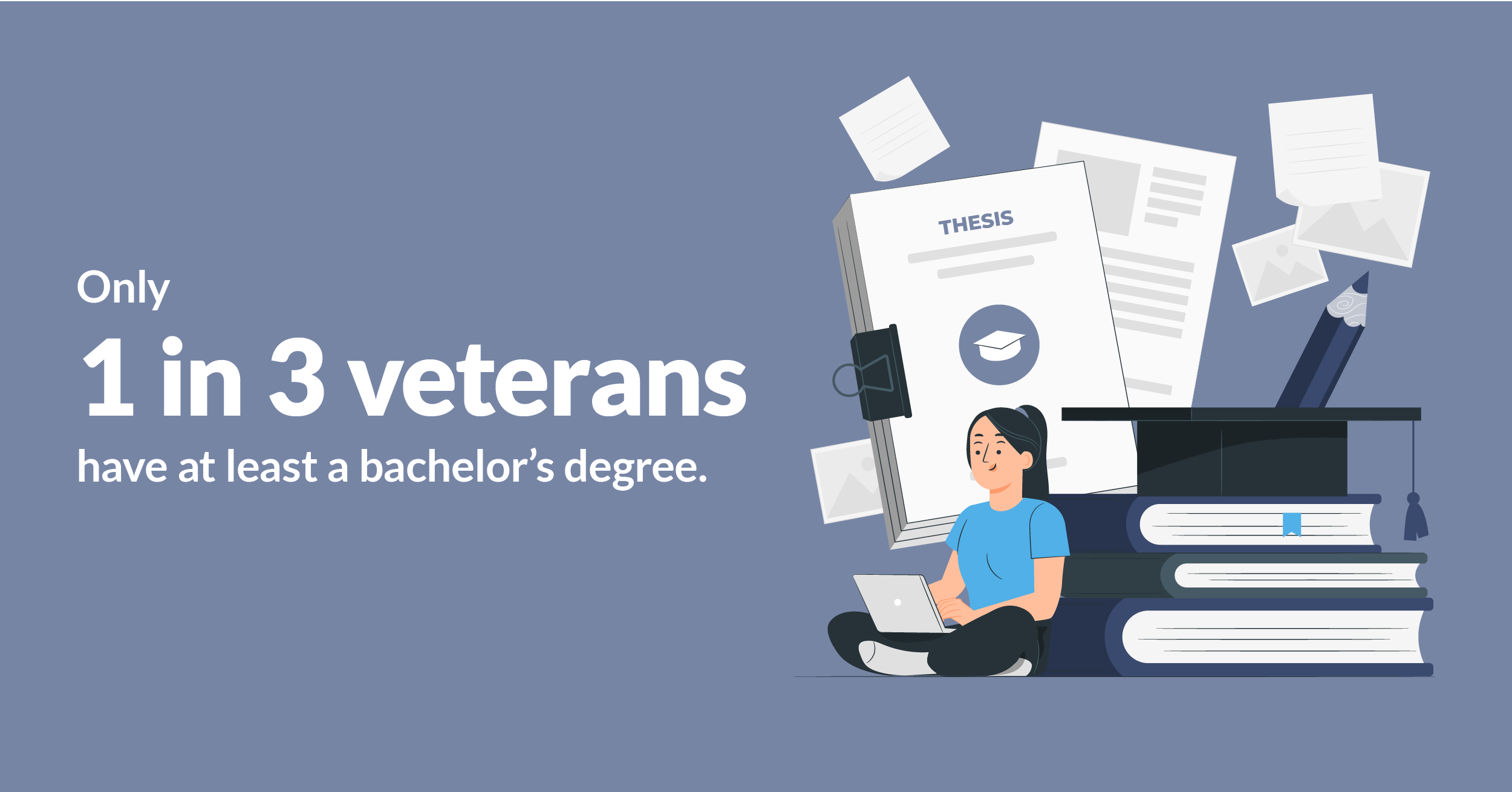
The Post-9/11 GI Bill covers tuition, fees, a housing allowance, and books. Since 2009, over 340,000 veterans have earned degrees or certificates using this benefit. Beyond tuition, earning a degree can significantly impact your earnings. Veterans with a bachelor’s degree are estimated to earn around $84,000 per year on average, compared to lower earnings for those without a degree.
Many veterans supplement the GI Bill with scholarships, grants, or part-time employment. Organizations like AMVETS, the Pat Tillman Foundation, and the Veterans of Foreign Wars offer scholarships specifically for veterans. Combining these options wisely can reduce or eliminate the need for loans. Most veterans choose public universities or community colleges to maximize benefits, while completion rates at some for-profit schools are much lower.
Choosing Schools That Support Veterans
Not all schools offer the same level of veteran support. Data shows student veterans graduate at rates similar to or higher than civilian peers, but success depends heavily on available resources. Look for institutions with higher graduation rates and strong veteran programs. Veteran Resource Centers, academic advisors familiar with military experience, and success coordinators can make a significant difference. Programs like the Yellow Ribbon Program can help cover tuition costs beyond standard benefits.
When visiting campuses, ask about veteran-specific services. Some schools have dedicated orientation sessions for veterans, priority registration for classes, and veteran-friendly housing. Knowing what support exists before you enroll can save time and frustration down the line.
Academic Success Strategies
College can feel different from military training, but your life experience is an asset. Use campus tutoring, writing labs, and study groups early to stay ahead. Veteran-specific academic advisors can translate military training into college credits and guide degree planning. Flexible scheduling options such as evening, hybrid, or online classes allow you to balance school with work and family, but check how housing allowances apply.
Tracking your progress through syllabi and maintaining consistent study routines can also make a difference. Many veterans report that creating a structured weekly schedule similar to military routines helps them stay on top of assignments and reduces stress.
Mental Health and Wellness
Mental health is a crucial part of academic success. Veterans may face PTSD, anxiety, or other challenges affecting performance. The VA and many colleges provide counseling, peer support, and other services. Campus-based programs tailored for veterans are especially useful because they understand the transition from military to student life.
Prioritizing sleep, exercise, and general wellness improves persistence and academic outcomes. Many colleges offer free or low-cost fitness programs, mindfulness workshops, and peer-led stress management groups that veterans can use to maintain mental and physical health.
Budgeting and Financial Planning
Even with GI Bill coverage, budgeting matters. Plan for housing, food, transportation, and books. Tracking expenses and supplementing benefits with scholarships or federal aid can prevent financial stress from derailing your progress. Avoid unnecessary loans, which can create long-term burdens. Tools like personal finance apps or veteran-specific financial literacy workshops can help you manage your money more effectively.
Community and Networking
College isn’t just about classes. Veteran student organizations provide peers who understand the transition from military life to campus life. Mentorship programs connect you with alumni who have completed degrees and can offer guidance. Students who feel connected on campus are more likely to persist and graduate. Social engagement also improves mental health, provides accountability, and opens up networking opportunities for future employment.
Career Preparation and Post-Graduation Success
Career services can help translate military skills into civilian resumes, provide interview coaching, and connect you to job opportunities. Internships and certifications gained during college can give you an edge. Veterans with degrees tend to secure higher-paying roles, and employers value military discipline, teamwork, and leadership. Many colleges now offer veteran-focused career fairs and resume workshops specifically designed to highlight military experience.
Practical Steps for Veterans
Here are action points that veterans report make a difference:
- Get your VA benefits certified before your first semester.
- Connect with the Veteran Resource Officer or campus liaison.
- Meet with an academic advisor who understands military experience.
- Use tutoring and writing labs from day one.
- Keep mental health resources accessible.
- Build and track a monthly budget.
- Join at least one student veteran group.
- Visit your career center before the end of your first year.
- Schedule regular check-ins with mentors or veteran advisors to stay on track.
- Take advantage of any veteran scholarships or financial programs as soon as you’re eligible.
You’re Built for Success
Data shows veterans don’t just attend college, they succeed. Your benefits can fully fund your education, and veterans often perform better academically than non-veteran peers. Using resources for academics, finances, mental health, and career support early improves your chances of finishing strong. Your service gave you skills, and your education can amplify them. You’re prepared for this next challenge, and a system of support is ready to help you succeed.
Resource Links
General Resources
VA Education and Training Benefits
This official U.S. Department of Veterans Affairs website provides comprehensive information on education and training benefits available to Veterans, service members, and eligible dependents. It includes details on the GI Bill®, eligibility requirements, benefit comparison tools, application instructions, housing allowances, and resources for vocational training, apprenticeships, and on-the-job training.
Veterans Upward Bound Program
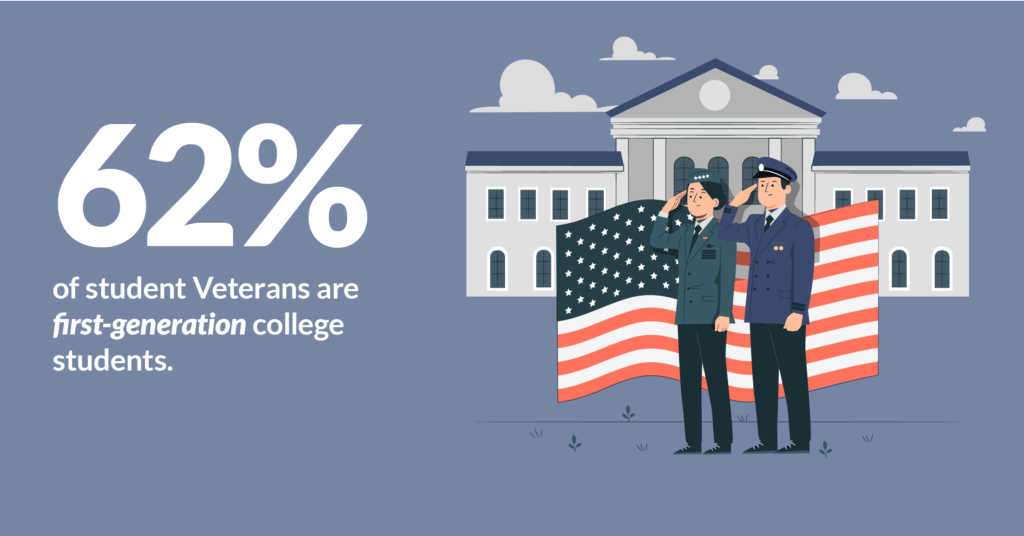
This page explains the Veterans Upward Bound (VUB) program, a federally funded TRIO initiative designed to help low-income and first-generation Veterans prepare for postsecondary education. Services include academic instruction, tutoring, counseling, college preparation, and assistance with navigating admissions and financial aid.
Student Veterans of America
The Student Veterans of America website serves as a national advocacy and support hub for student Veterans. It provides leadership development, research, policy advocacy, scholarships, and resources for campus-based student veteran organizations, aiming to improve educational outcomes and career readiness for Veterans.
Post-9/11 GI Bill Overview
This Military.com resource offers an accessible overview of the Post-9/11 GI Bill, explaining eligibility, tuition coverage, housing allowances, book stipends, and benefit transfer options. It is designed to help service members and Veterans understand how the benefit works and how to maximize its value.
Reserve Educational Assistance Program
This page from the National Veterans Foundation explains the Reserve Educational Assistance Program (REAP), which provided education benefits to members of the Reserve and National Guard who were activated in support of contingency operations. It includes historical context, eligibility information, and how REAP differs from other GI Bill programs.
Warrior-Scholar Project
The Warrior-Scholar Project website describes an academic enrichment program that prepares enlisted Veterans for success at selective colleges and universities. The program offers immersive college-level coursework, academic skill development, and mentorship to support Veterans transitioning from military service to higher education.
Service 2 School
Service to School is a nonprofit organization that provides free, personalized admissions counseling for Veterans and service members applying to undergraduate and graduate programs. The website outlines mentorship opportunities, application support, and guidance aimed at helping Veterans gain admission to top colleges and universities.
The Posse Veterans Program
This page details the Posse Veterans Program, an initiative that places small, supportive cohorts (“posses”) of Veterans into partner colleges and universities. The program emphasizes leadership development, academic success, and community support to improve retention and graduation rates among student Veterans.
VetSuccess on Campus
The VetSuccess on Campus website explains a VA program that places Vocational Rehabilitation Counselors directly on college campuses. VSOC provides academic and career counseling, disability support, benefit navigation, and coordination with campus services to help student Veterans succeed academically and professionally.
Yellow Ribbon Program
This official VA page explains the Yellow Ribbon Program, which helps cover tuition and fees that exceed the Post-9/11 GI Bill cap at private, out-of-state, or graduate schools. It describes eligibility requirements, participating institutions, and how cost-sharing between schools and the VA reduces out-of-pocket expenses for Veterans.
Scholarly Articles – Research
Veterans Continue to Succeed in Higher Education (VA News Release)
A Department of Veterans Affairs (VA) news article highlighting ongoing trends and success stories of U.S. military Veterans pursuing and completing higher education programs using GI Bill and other benefits, showing how Veterans are continuing to enter and succeed in college settings.
SVA Clearinghouse Releases Post-9/11 GI Bill INVEST Results (VA News)
A VA news article announcing results from the Student Veterans of America (SVA) Clearinghouse evaluation of outcomes for Veterans using the Post-9/11 GI Bill. It offers insights into educational impacts and trends for Veterans after service.
The Impact of the Post-9/11 GI Bill on Veteran Education and Employment
A resource page from the law firm Hill & Ponton that summarizes findings from a study on how the Post-9/11 GI Bill affects Veterans’ education outcomes (enrollment and degree attainment) and subsequent employment, including financial and policy implications.
Virtual Classrooms, Real-World Disparities: Student Veterans and Online Education
A 2025 Pew Research Center issue brief that examines how online learning under the Post-9/11 GI Bill affects student Veterans, particularly disparities around housing allowances, access, and how fully online enrollments compare to traditional in-person programs.
Veterans Face Challenges in Higher Education
An article from the VA Research Currents series reporting on research findings about challenges Veterans encounter in college settings, including social, academic, and health-related barriers encountered as they transition into civilian academic life.
Opportunities Exist to Further Meet Student Veterans’ Mental Health Needs
A U.S. Government Accountability Office (GAO) report that reviews mental health care usage among student Veterans and evaluates Department of Veterans Affairs efforts to address these needs through programs like the Veterans Integration to Academic Leadership initiative.
A Cross-Sectional Study of Resilience, Well-Being, and College Adjustment Among Student Veterans
A peer-reviewed research article examining how sleep disturbance affects resilience, overall well-being, and college life adjustment among student Veterans. It highlights correlations between sleep problems and academic and psychological adaptation in higher education settings.
Podcasts and Videos
Vets Helping Vets
This podcast from Swords to Plowshares highlights the “Vets Helping Vets” approach, which centers peer-based support services for Veterans. It describes how Veterans with lived experience assist other Veterans in accessing benefits, housing, healthcare, legal aid, and mental health resources, emphasizing trust, shared identity, and community empowerment.
Service to School Stories
This podcast series features stories of military service members and Veterans navigating the transition to higher education. Episodes focus on personal journeys, challenges, successes, and insights related to applying to college, adjusting to academic life, and pursuing leadership and professional goals after military service.
Support for Student Veterans
This blog post and podcast episode discusses strategies and resources for supporting student Veterans in higher education. It addresses common challenges such as transition stress, academic adjustment, mental health, and access to campus services, while highlighting best practices for educators and institutions working with Veteran students.
Make the Connection
This page hosts a collection of podcasts from the VA’s Make the Connection initiative, featuring Veterans and their families sharing real-life stories about mental health, reintegration, education, and seeking support. The podcasts aim to reduce stigma and connect Veterans with resources and treatment options through shared experiences.
Enhancing the College Experience for Military Students
This YouTube video explores ways colleges and universities can improve the academic and social experiences of military-affiliated students. It addresses topics such as campus support services, faculty awareness, transition challenges, and strategies for fostering inclusive learning environments for Veterans and service members.
What is the College Experience Like for Veterans?
This podcast episode focuses on the lived experiences of Veterans in college, examining how military service shapes classroom engagement, relationships with peers, and academic identity. It discusses both the strengths Veterans bring to higher education and the unique challenges they may encounter.
The Ivy Veteran
The Ivy Veteran Podcast features interviews with Veterans who have attended or applied to elite colleges and universities. Episodes explore admissions processes, academic rigor, identity transitions, and career pathways, offering guidance and inspiration for Veterans pursuing highly selective higher education opportunities.
A Navy Veteran’s Path to Princeton and Medicine
This YouTube video tells the story of a Navy Veteran’s journey from military service to attending Princeton University and pursuing a medical career. It highlights themes of resilience, academic preparation, mentorship, and navigating elite educational spaces as a Veteran.